15) Kuhle Wampe
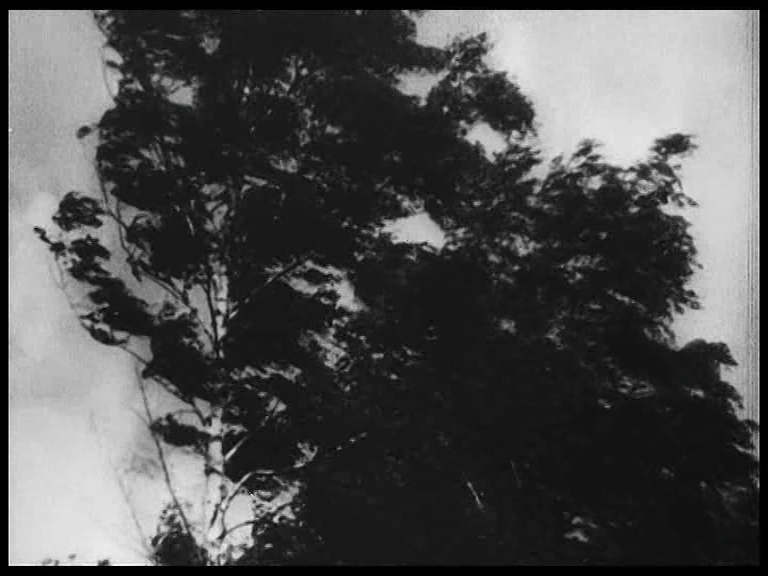
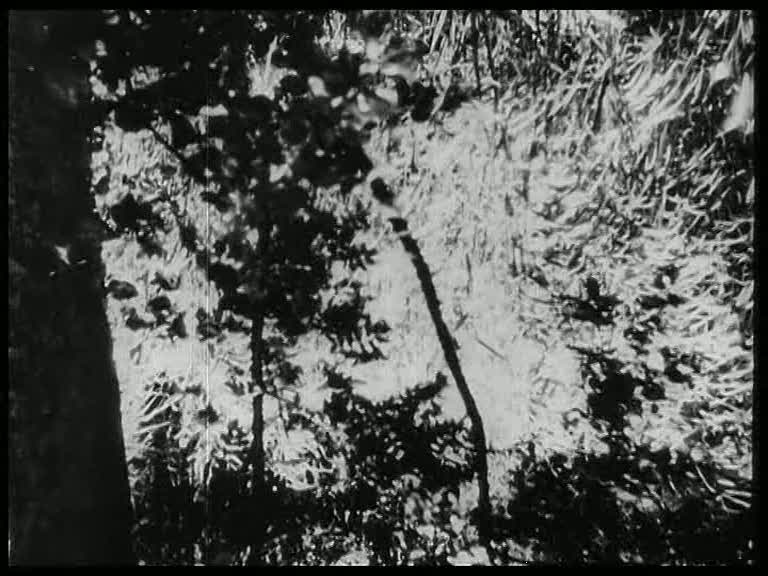
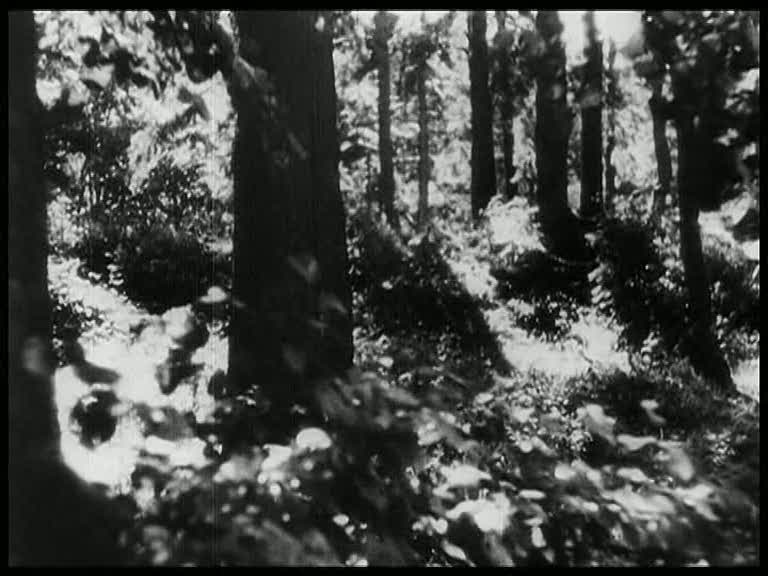
Kuhle Wampe was a tent colony of workers who lived on the southern shores of the Müggelsee. It was located near a cove where the water was always cold, even in the summer, the reason for its name: Kuhle Wampe, “cool belly”. The colony began in 1913 with twenty tents occupying the few sunny clearings of this otherwise marshy and wooded area. In the ’20s the colony quickly expanded, with one hundred tents; around three hundred people lived here, factory workers, but also many who had lost their job. The colony was offering a cheap and easy place to set up shelter for people who could not afford anymore an apartment in the city. Kuhle Wampe was clearly also coveted because of its forests, fresh air, clean water, and vegetable gardens, presenting a shiny alternative to the tristesse, or even depression of Berlin tenement houses. From the colony the workers rode their bike to work in the city; it is said that most of them were communists. The colony, one of the oldest in Berlin, survived until 1935, when it was dissolved by the National-Socialists.
This place became famous with the eponymous film Kuhle Wampe oder: Wem gehört die Welt? (Kuhle Wampe or Who Owns the World?). The story takes place during the economic depression of the Weimar Republic, telling about a family of workers that, evicted from their apartment in Berlin, moves to a tent colony out in the woods. The film script is by Brecht and Ottwald, the director is Dudow, Eisler does the music. The film location is on the Müggelsee, where Kuhle Wampe is simulated. It is not shot in the real place because the light conditions and the density of the tent colony were disadvantageous for filming. Many of the improvised actors were from Kuhle Wampe, as well as most of the extras who, while working in the film, lived on the set. The film is a docu-fiction of the bleak reality of the workers in Berlin in the early ’30s, but it is impossible to ignore the messy beauty of the colony with tents, chairs, and tables scattered between old fruit trees, high grasses, water and forests. Charmed, the film lingers on the elated brightness of Müggelsee shores, where Kuhle Wampe people play and swim naked. A real flight from the city.
Kuhle Wampe was a tent colony of workers who lived on the southern shores of the Müggelsee. It was located near a cove where the water was always cold, even in the summer, the reason for its name: Kuhle Wampe, “cool belly”. The colony began in 1913 with twenty tents occupying the few sunny clearings of this otherwise marshy and wooded area. In the ’20s the colony quickly expanded, with one hundred tents; around three hundred people lived here, factory workers, but also many who had lost their job. The colony was offering a cheap and easy place to set up shelter for people who could not afford anymore an apartment in the city. Kuhle Wampe was clearly also coveted because of its forests, fresh air, clean water, and vegetable gardens, presenting a shiny alternative to the tristesse, or even depression of Berlin tenement houses. From the colony the workers rode their bike to work in the city; it is said that most of them were communists. The colony, one of the oldest in Berlin, survived until 1935, when it was dissolved by the National-Socialists.
This place became famous with the eponymous film Kuhle Wampe oder: Wem gehört die Welt? (Kuhle Wampe or Who Owns the World?). The story takes place during the economic depression of the Weimar Republic, telling about a family of workers that, evicted from their apartment in Berlin, moves to a tent colony out in the woods. The film script is by Brecht and Ottwald, the director is Dudow, Eisler does the music. The film location is on the Müggelsee, where Kuhle Wampe is simulated. It is not shot in the real place because the light conditions and the density of the tent colony were disadvantageous for filming. Many of the improvised actors were from Kuhle Wampe, as well as most of the extras who, while working in the film, lived on the set. The film is a docu-fiction of the bleak reality of the workers in Berlin in the early ’30s, but it is impossible to ignore the messy beauty of the colony with tents, chairs, and tables scattered between old fruit trees, high grasses, water and forests. Charmed, the film lingers on the elated brightness of Müggelsee shores, where Kuhle Wampe people play and swim naked. A real flight from the city.