54) Behaviors
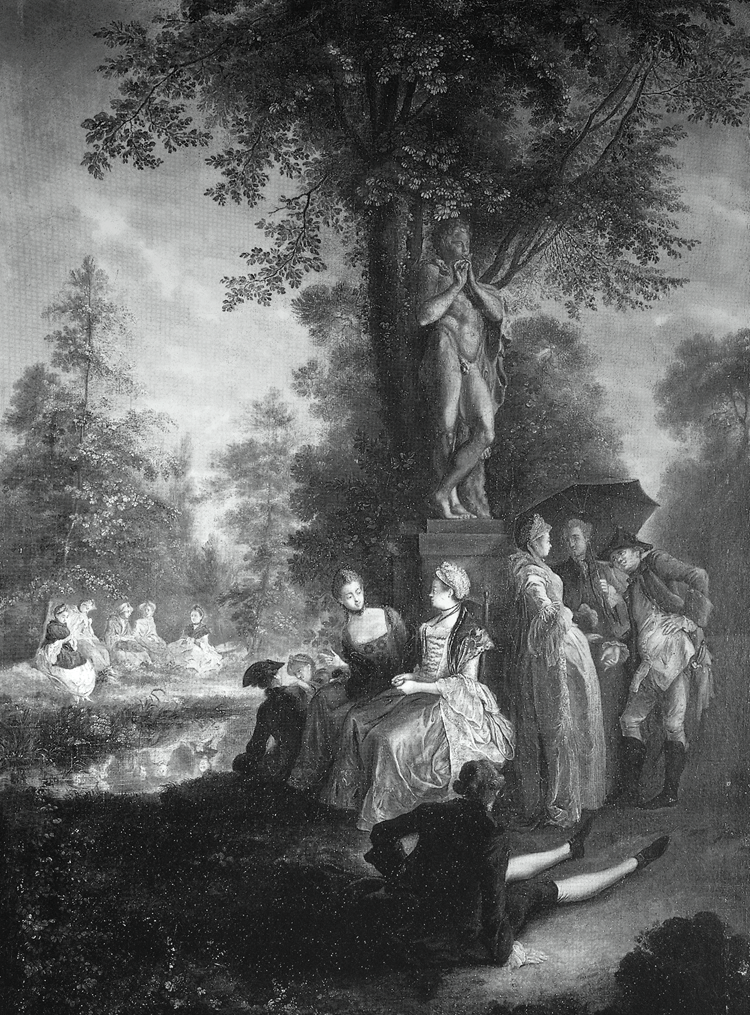
Mores in Tiergarten are always lax and indulgent. When P. J. Lenné starts in 1830s to change things, ripping out the forest in order to get some light into it, making many clearings, opening meadows and trails, there are protests and people at first methodically destroy the work done just a day before. New severe rules are therefore drafted: the destruction of paths and fences is forbidden, and so are horse riding, driving coaches, bringing animals for grazing, leaving garbage, and even smoking. One is punished by paying fines or by direct imprisonment.
Mores in Tiergarten are always lax and indulgent. When P. J. Lenné starts in 1830s to change things, ripping out the forest in order to get some light into it, making many clearings, opening meadows and trails, there are protests and people at first methodically destroy the work done just a day before. New severe rules are therefore drafted: the destruction of paths and fences is forbidden, and so are horse riding, driving coaches, bringing animals for grazing, leaving garbage, and even smoking. One is punished by paying fines or by direct imprisonment.