A Sassy Nation. Quakes, Islands, Autonomy.
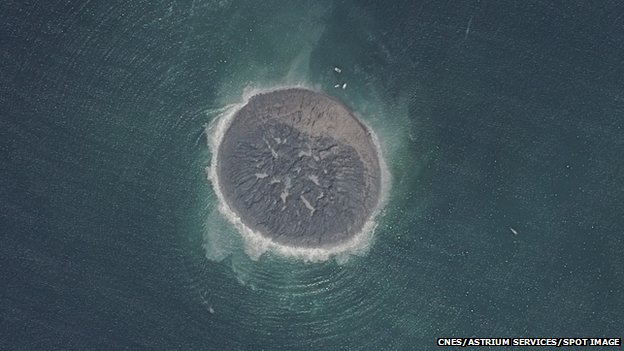
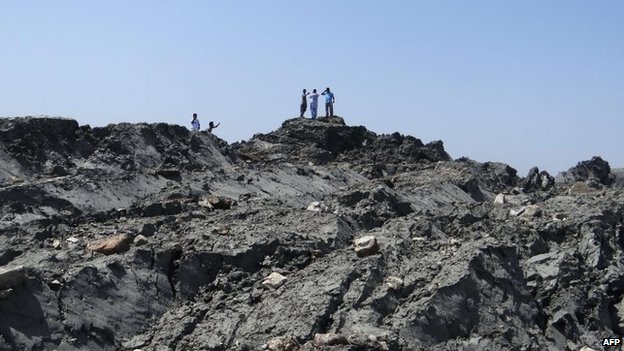
A new land has risen from the ashes of tectonic annihilation. Sentimental sediments, seen from the French Pleiades high-resolution Earth-observing system, to form an almost geometrically precise circular island off the coast of Pakistan, emerged from the ocean after a 7.7-magnitude earthquake struck last Tuesday afternoon, 20km north-east of Awaran, killing at least 350 people.
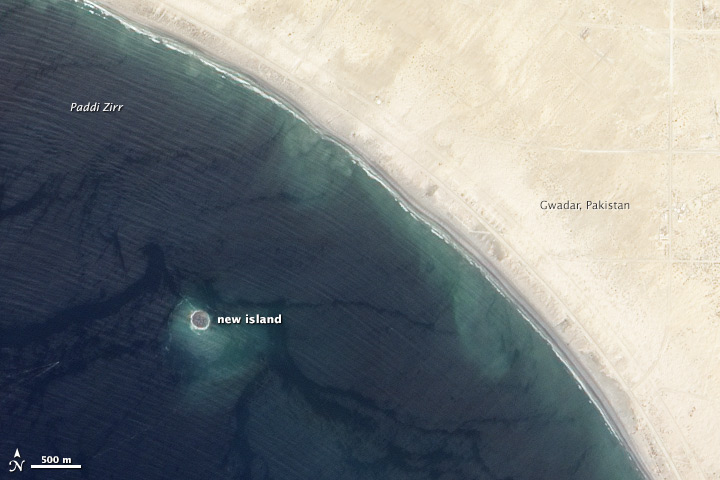
In an age of rising oceans and disappearing islands, of tsunamis almost swallowing Japan as a whole, and the only form of new land mass being islands of toxic debris floating somewhere far out, or even in the Earth’s orbit, a new island – even though it emits flammable gas and might soon sink again – is the space of real virtuality, of speculation, and the superposition of utopia and reality.
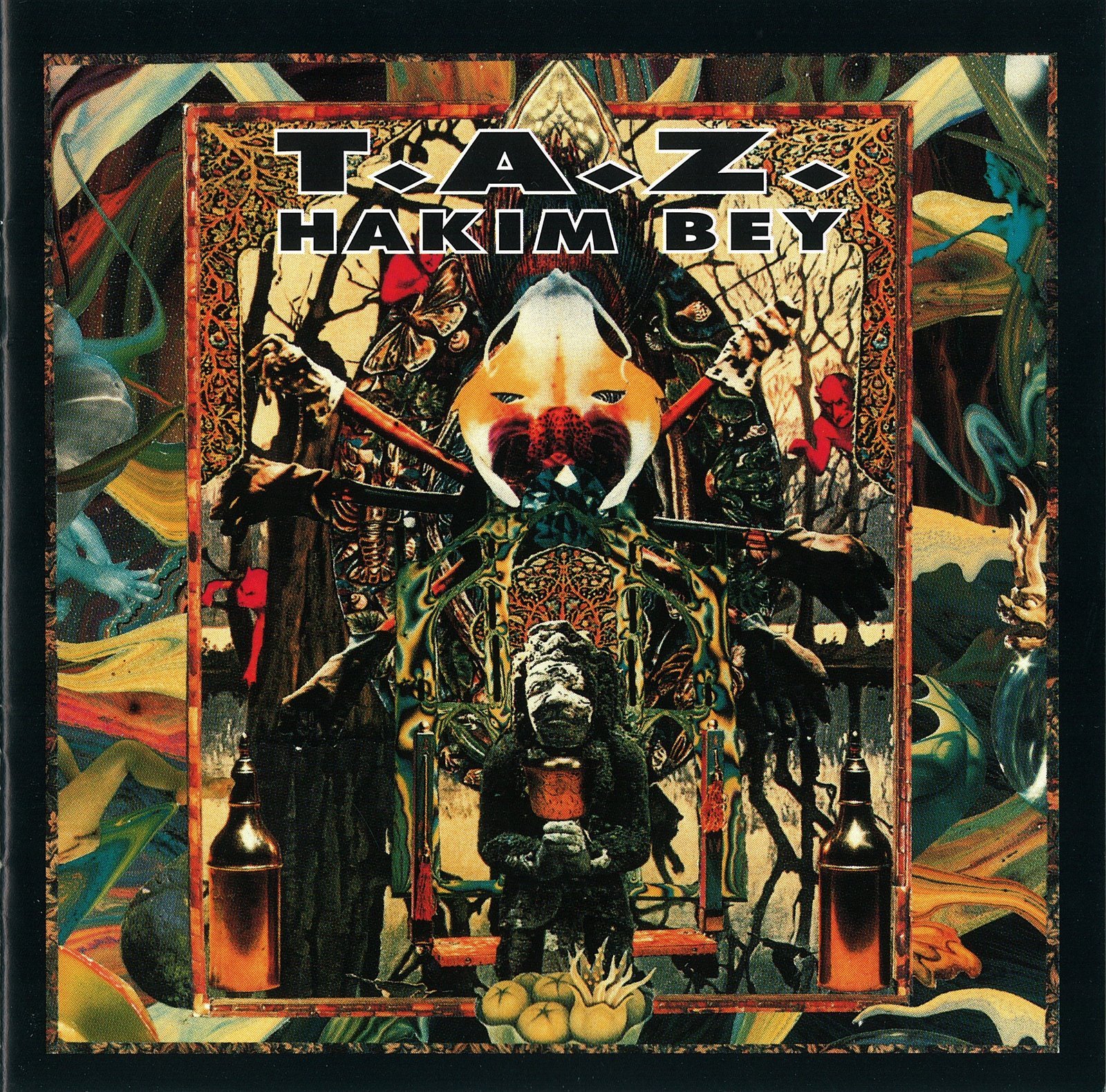
It is what Hakim Bey (or Peter Lamborn Wilson, who keeps insisting he is not Eva’s father) defined as a Temporary Autonomous Zone (T. A. Z. The Temporary Autonomous Zone, Ontological Anarchy, Poetic Terrorism):
“I believe that by extrapolating from past and future stories about “islands in the net” we may collect evidence to suggest that a certain kind of “free enclave” is not only possible in our time but also existent. All my research and speculation has crystallized around the concept of the TEMPORARY AUTONOMOUS ZONE (hereafter abbreviated TAZ). Despite its synthesizing force for my own thinking, however, I don’t intend the TAZ to be taken as more than an essay (“attempt”), a suggestion, almost a poetic fancy. Despite the occasional Ranterish enthusiasm of my language I am not trying to construct political dogma. In fact I have deliberately refrained from defining the TAZ–I circle around the subject, firing off exploratory beams. In the end the TAZ is almost self-explanatory. If the phrase became current it would be understood without difficulty…understood in action.”
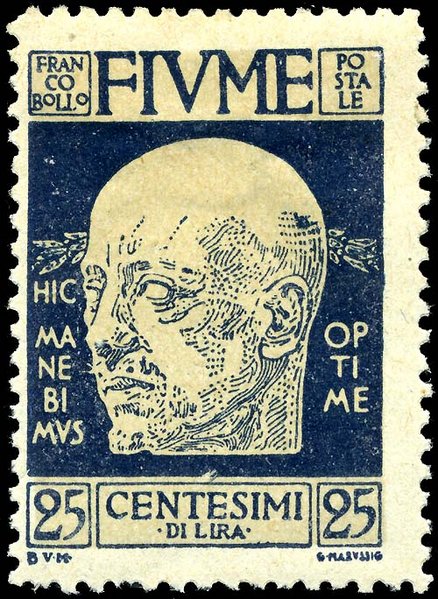
Who inhabits these islands, which cartographies chart them, the voyages in between them, and which archaeologies listen to their tectonic, sub-sonic, para-historic rumbles? In 1920, Gabriele D’Annunzio and “Gli Arditi Della Grande Guerra” conquered Fiume and declared it independent, with “music to be the central principle of the State”. For four years, not even a century ago,
“The modern Uscochi [pirates] succeeded in some wild coups: several rich Italian merchant vessels suddenly gave the Republic a future: money in the coffers! Artists, bohemians, adventurers, anarchists (D’Annunzio corresponded with Malatesta), fugitives and Stateless refugees, homosexuals, military dandies (the uniform was black with pirate skull-&-crossbones–later stolen by the SS), and crank reformers of every stripe (including Buddhists, Theosophists and Vedantists) began to show up at Fiume in droves. The party never stopped. Every morning D’Annunzio read poetry and manifestos from his balcony; every evening a concert, then fireworks. This made up the entire activity of the government.”
In between, someone defenestrated D’Annunzio. Until his death in 1938, the warrior poet and proto-fascist lived in his estate – the Vittoriale degli Italiani – at Lake Garda, in a ship, jumping out of the mountain, with its bow pointing in the direction of the Adriatic, ready to conquer the Dalmatian shores.
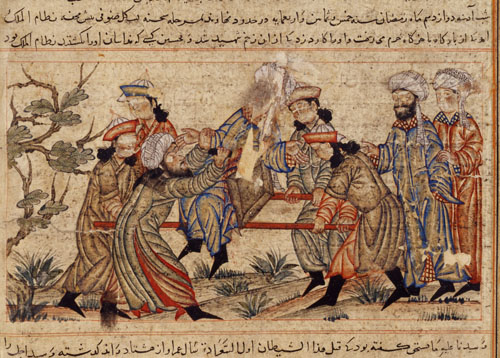
In the Persian mountains, around the time of the First Crusade, Hassan i Sabbah, the Old Man of the Mountain, and his secret band of hashish-eaters, the Hashishsheen, or “assassins” traveled along maps drawn in the red veins in their eyes.
Cartographies and cryptographies merge into one. Quakes, awakening. Autonomy is temporary, but it is.
Oiga amigos! Oiga Amigos! Paco! Enrique!
Last Words of Hassan Sabbah,
The Old Man of the Mountain!
Listen to my last words, anywhere!
Listen, all you boards, governments, syndicates, nations of the world,
And you, powers behind what filth deals consummated in what lavatory,
To take what is not yours,
To sell out yours sons forever!