Blue skies research
After learning that he had won the Nobel prize for predicting the existence of the Higgs boson particle in 1964, Peter Higgs vanished on holiday without a mobile phone and now seems as hard to detect as the particle itself.
Higgs’ statement on winning the Nobel prize mentions the value of so-called blue skies research: Curiosity-driven science, without a clear goal, in which real-world applications are not immediately apparent. The particle accelerator at CERN (incidentally also the birthplace of the World Wide Web) is the largest laboratory ever built, the epitome of blue skies research, even though most of it is buried deep under the innocent meadows of Geneva.
Until the announcement of its discovery in 2012, the Higgs particle was basically a fiction willed into being by physicists. Fifty years of research and the most complex research facility constructed to date were driven by the desire to confirm a symbolic formula, a simulated reality, formulated by Higgs and his colleagues. Reality was hallucinated into being. The Large Hadron Collider, smashing particles into each other in search of the Higgs, was driven by desire, by the lack of the missing element that would make the Standard Model work (too “beautiful” to be discarded, as one of CERN’s scientists explained to me).
To quote Lacan and thereby probably invoke the wrath of both Lacanians and particle physicists: “Desire is a relation of being to lack. The lack is the lack of being properly speaking. It isn’t the lack of this or that, but lack of being whereby the being exists.” In murky Berlin today, blue skies research sounds like a mighty desirable methodology. In CERN, I wonder where desire will lead us next.
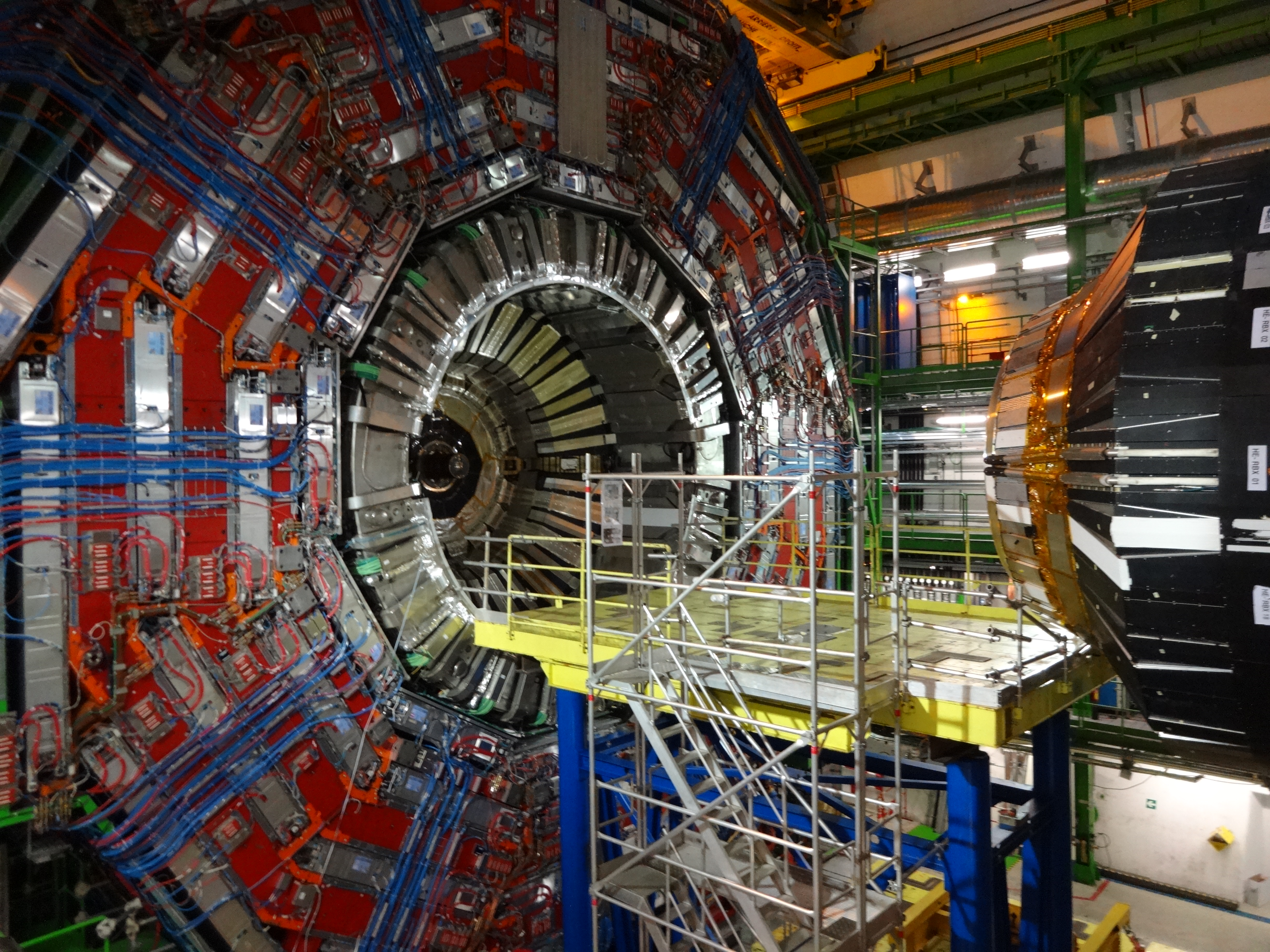
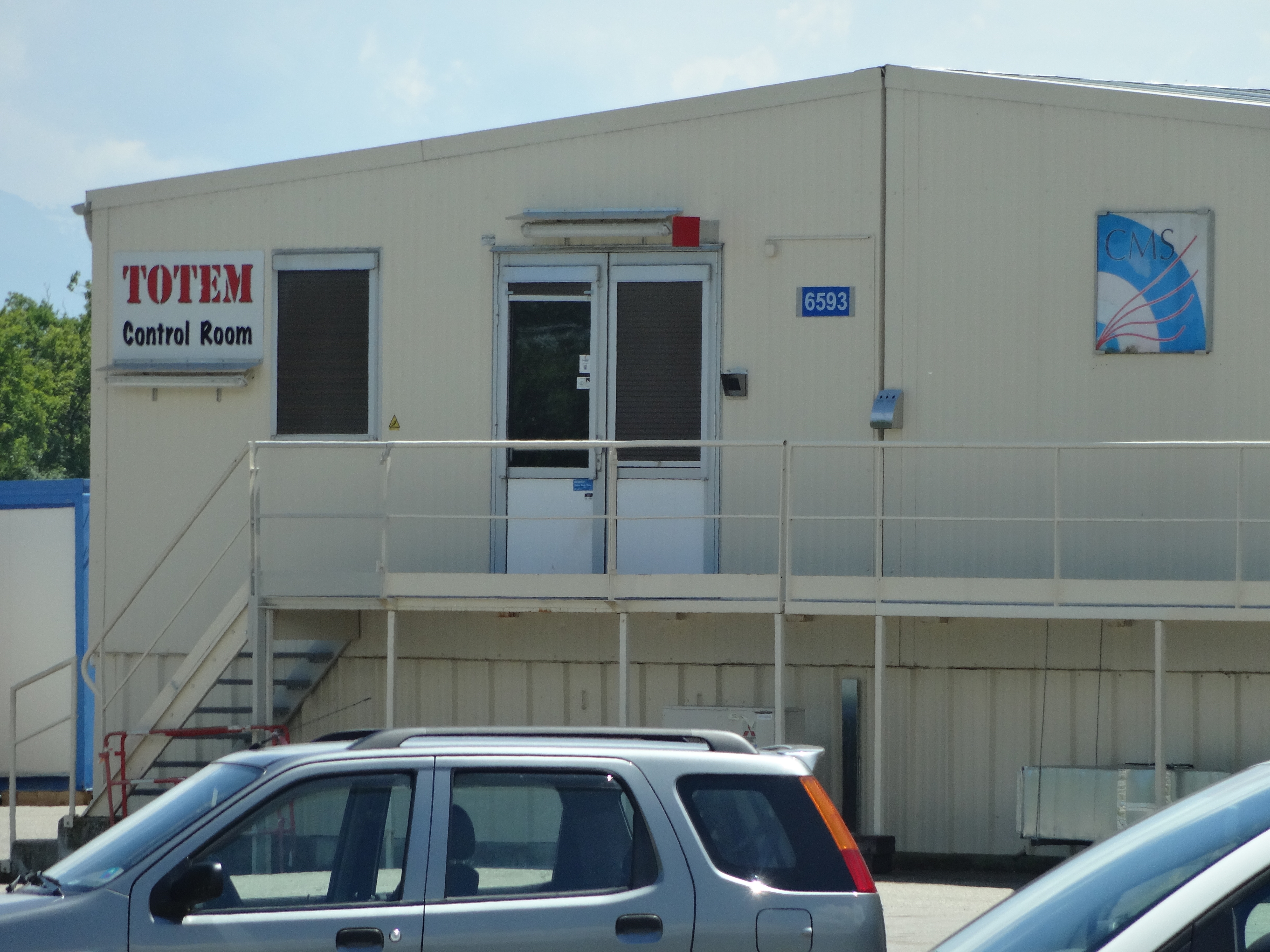
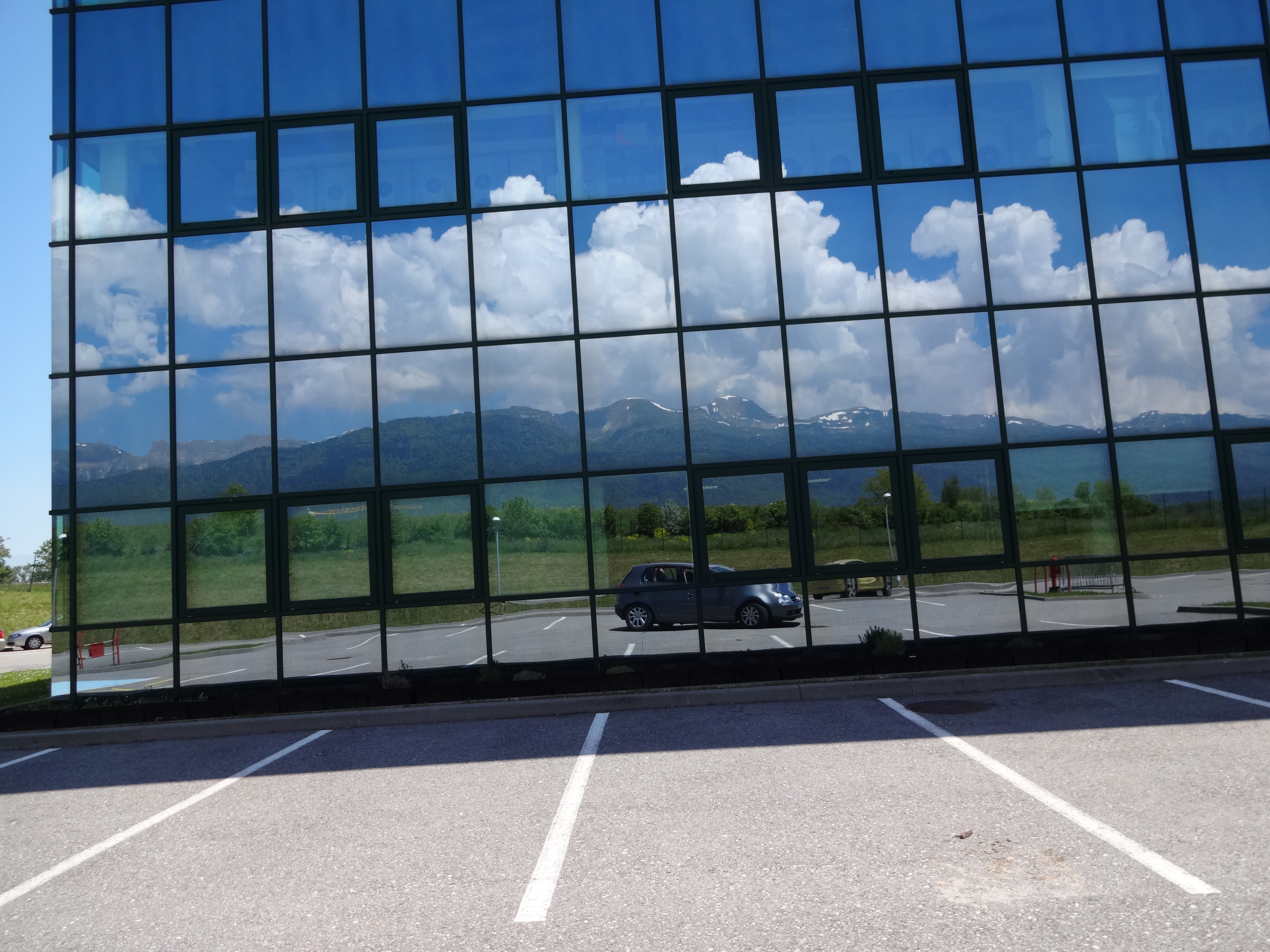
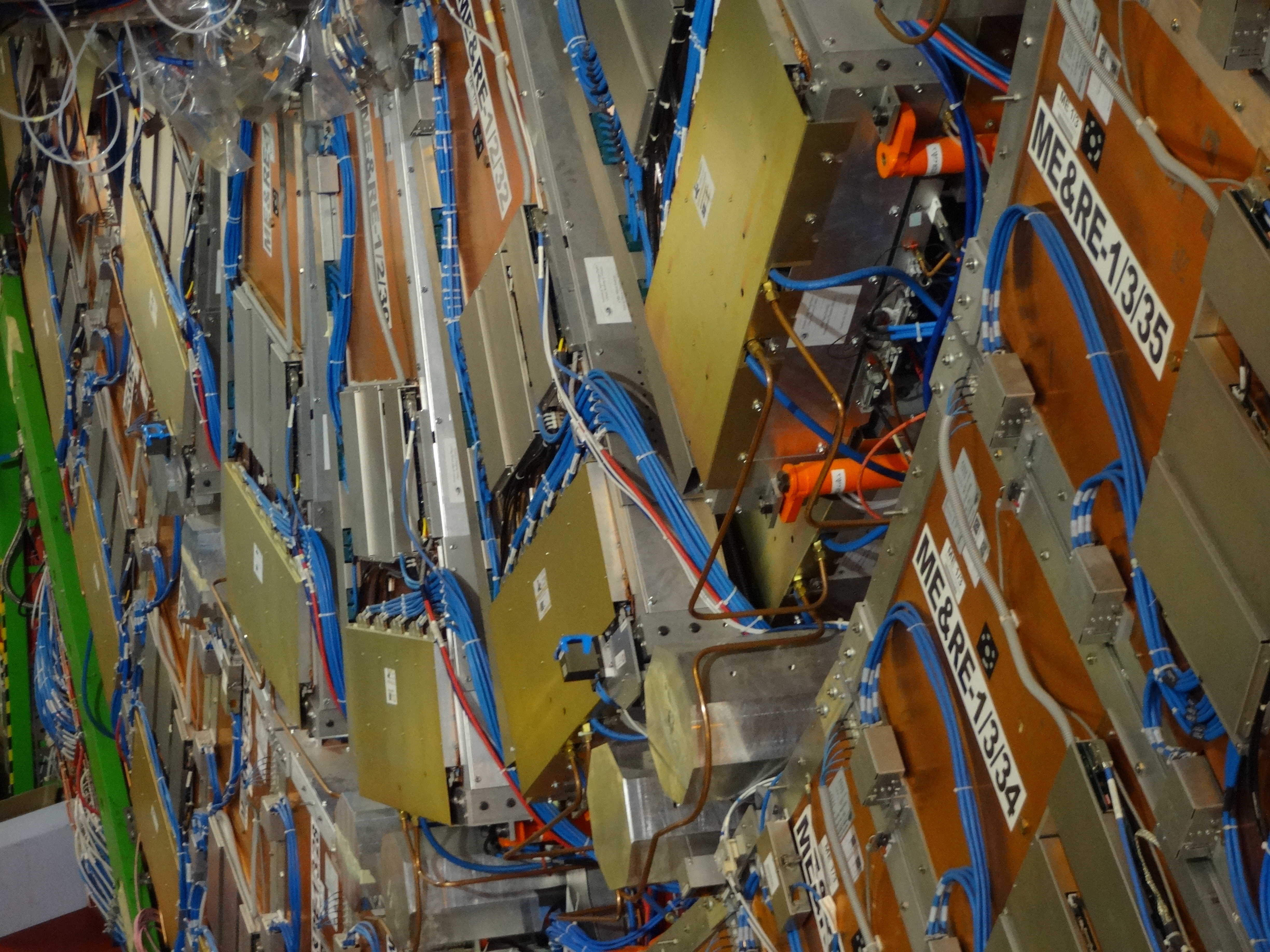
For lack of pictures of happy Mr. Higgs himself: here are some behind-the-scenes images from CERN this summer – taken on a research trip connected to a new work by Cerith Wyn Evans called “A Community Predicated on the Basic Fact Nothing Really Matters” and shown at TBA21 in Vienna.