Charlottenburg
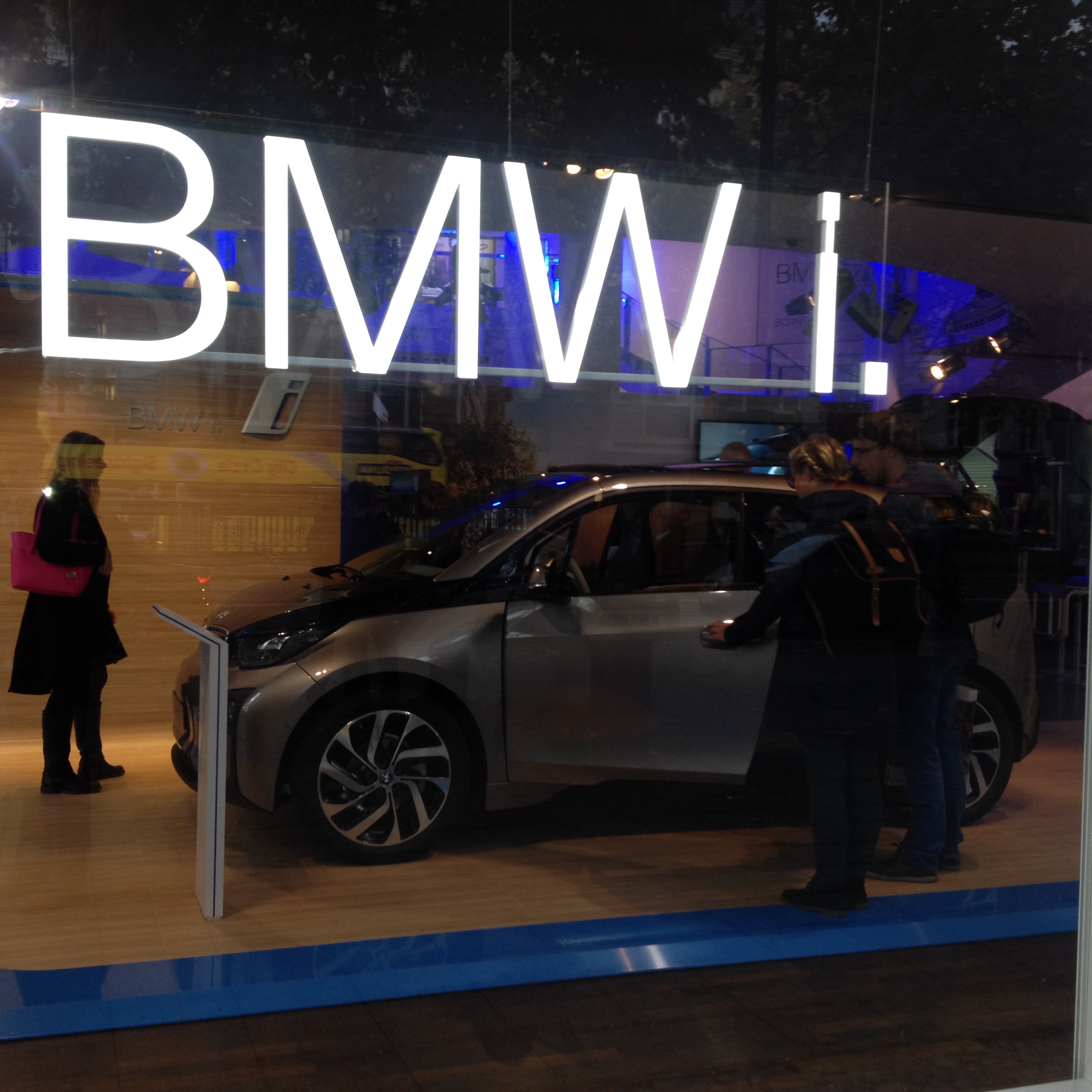
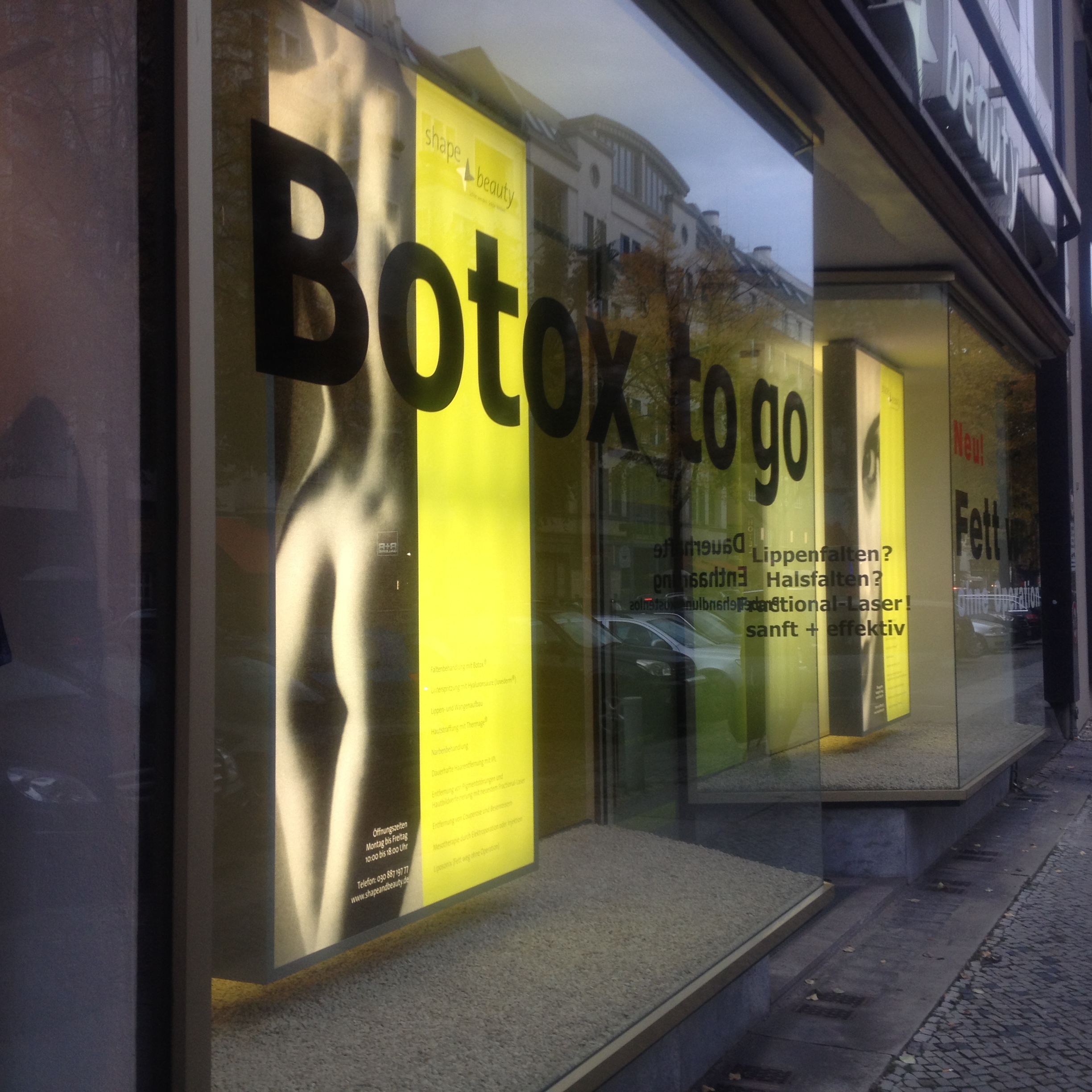 Located on the other side of Berlin, like a 45 minutes drive away, lies an area called ‘Charlottenburg.’ Everything seems different there. Different than Lichtenberg. Charlottenburg is also a term, an expression, if you want to label something posh, not Munich posh, not Milan, it’s more the old West-Berlin (Pils-beer, long fur-coats for men, long hair for men, huge dogs with long hair, made noses, breasts, but also gambling, boxing, exaggerated sun-tanning and muscle cars) with today, a heavy influence of oligarchism. It’s older crooked money ––not as in Milan or Paris, more pimp-cold-war-smuggling-gambling-money––mixed with brand new crooked money. All the shops along Kurfürstendamm have Russian salespersons. You see Russian ladies in seal coats collecting the shit of their pug dogs from the pavement. Not angry or stressed out, no: quiet, flirting with their pets, which have always the same colour as their coats.
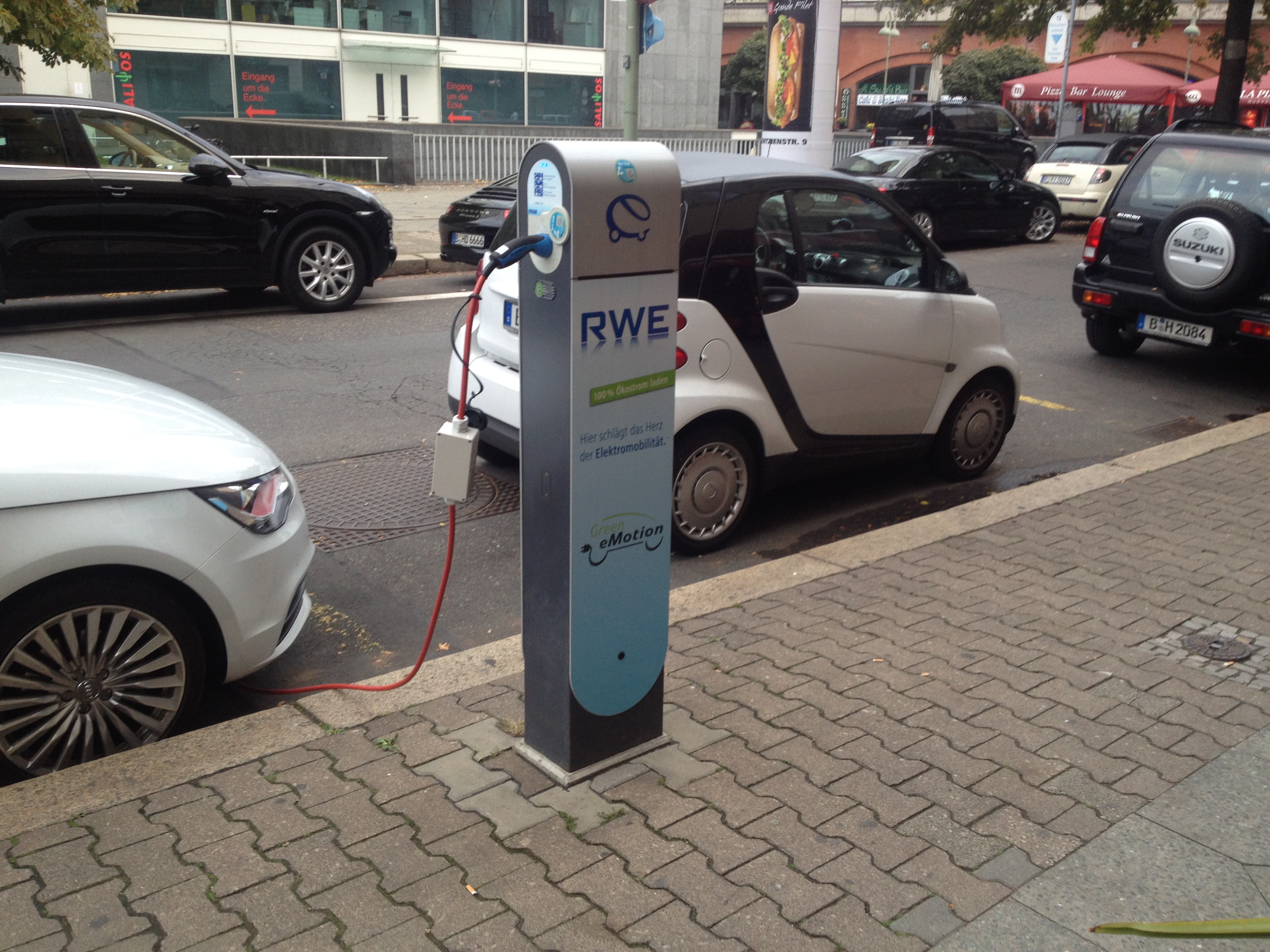 There are also service pillars by RWE where you get power for your e-car. Clean future. But there is something weird about all that: It wants to be the future and looks like a distant past. Retro, the good old times, because the future can only be dystopian. You might have heard of Manufactum. A German brand where they sell wooden computers. “Es gibt sie noch die guten Dinge.” (They still exist, the good things.)
The future for them must be cold and sinister, like Lichtenberg. Here the Russians are poor. A narrative would be that they want to get one day to Charlottenburg, that would be why they would do the dirty jobs now for the Charlottenburg-Russians, but that would be too much of a cliché. Please, but the Charlottenburg people would never go to Lichternberg. “They never come back.”
The future in Lichtenberg looks like the present, in Charlottenburg it looks like a melancholic memory.