Kowloonieburg
It’s a Sunday evening in late May and I am face down in my pretzel prawns at a small street restaurant in Kowloon, Hong Kong. I had spent the day on Lamma Island, losing ridiculous amounts of sweat and talking about snakes. The night before was spent aboard the upper deck – also known as the poop deck – of the Jumbo Kingdom, a lysergic Studio Ghibli Spirited Away floating restaurant behemoth, which a well-known self described “venture philanthropist” had rented out for what would come to be the most insane of the Art Basel Hong Kong parties, which is a feat if you consider that Adrian Wong had installed the Absolut Vodka Art Bar with an animatronic band from outer space and instructed waiters to consistently serve you the wrong orders or just scream at you, especially if you were the ambassador or CEO of something.
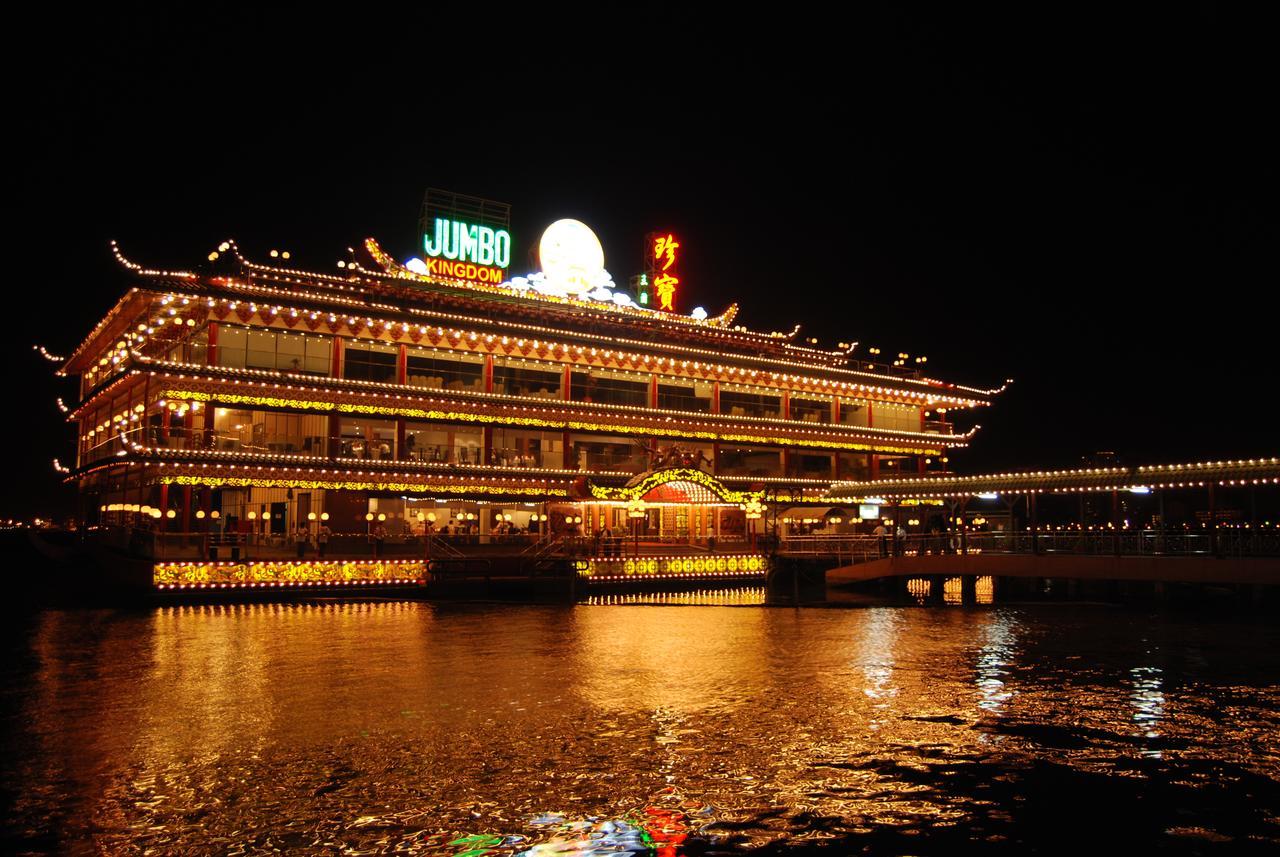
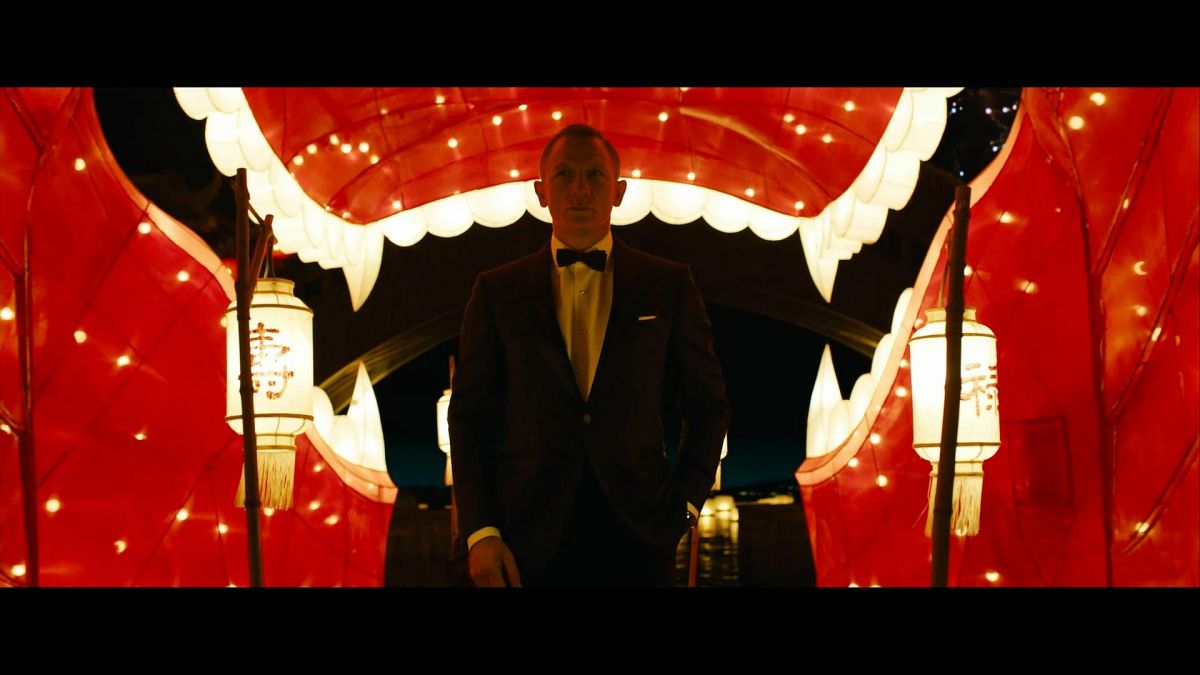
When we arrived there and stepped onto the barge taking us to the Jumbo Kingdom, I saw an impeccably dressed man standing at the bow, his back to us. He turned around, smiled gently and said “hi”, then turned back again, gazing at the lights. It wasn’t Daniel Craig in Skyfall, but Jeffrey Deitch.
There was a lot of dancing that night, and a lot of drinking. There were amicable nods, few words, and cheers. Cougars were roaming around and Andreas Gursky slipped on the dancefloor. I stayed up long into the morning light, drinking tiny things from the minibar, while my roommate at the Mandarin Oriental Hotel – the roof of which famous actor Leslie Cheung leaped off in 2003 – was snoring. Outside, the Hong Kong techno jungle, with its ethernet mangroves and USB hives.
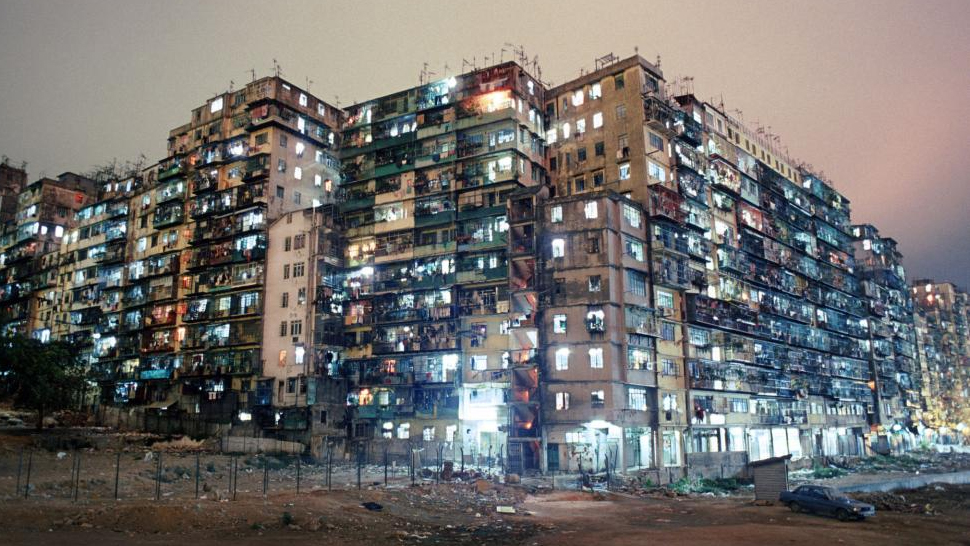
I am face down in my pretzel prawns in Kowloon and don’t know what to do. I haven’t really slept in 4 days. Ruinart Champagne, the official sponsor of Art Basel Hong Kong, has ruined art for me. The Walled City is gone, Chungking Mansions, where Wong Kar Wai and Chris Doyle shot Chungking Express is still there. Once the most densely populated space on Earth, Kowloon Walled City was a place beyond reality, law and governance. It was demolished in 1994. A thorough government survey in 1987 showed that an estimated 33,000 people resided within the Walled City. Based on this survey, the Walled City had a population density of approximately 1,255,000 inhabitants per square kilometre in 1987. For comparison, Hong Kong as a whole (itself one of the most densely populated areas on Earth) had a population density of about 6,700 inhabitants per square kilometre as of July 2009.
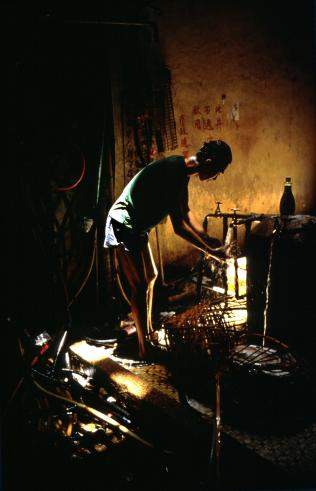
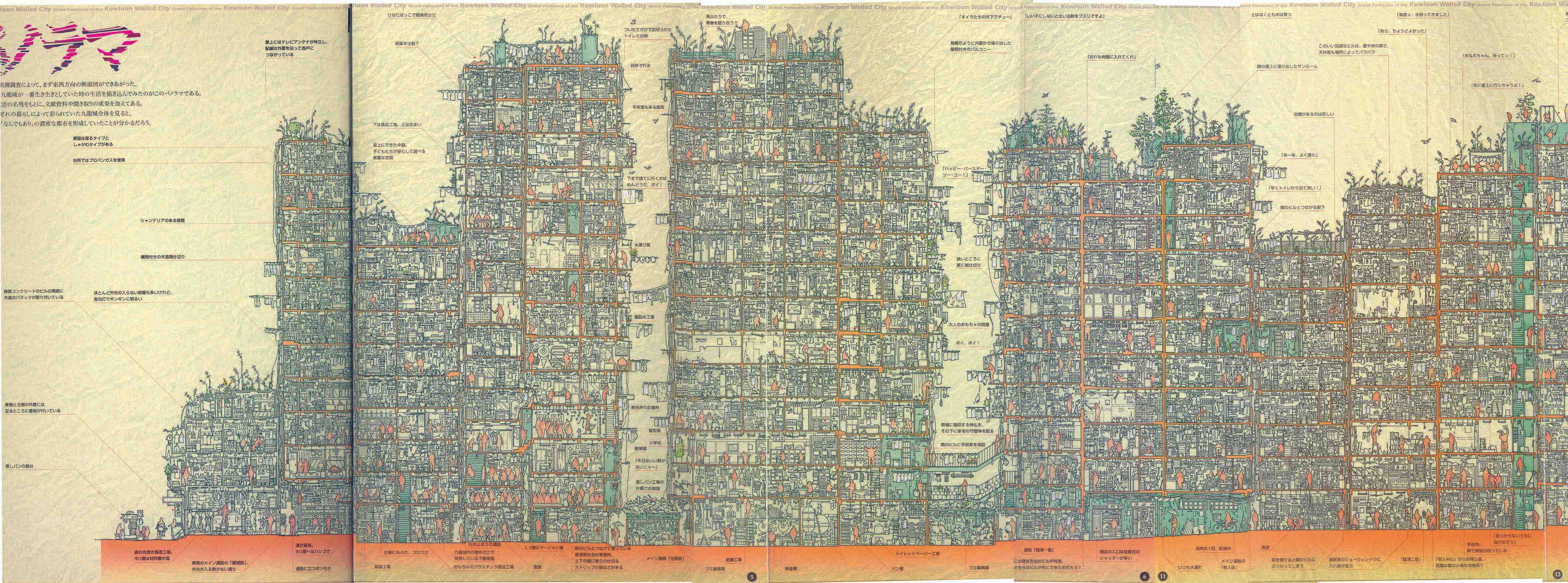
Here is a cross section. Click on it for a hi-res version.
I have to move out of the hotel and to a friend’s place that night. My flight back to Beijing is the next morning. That night, I end up at Victoria Park, where I nearly fall asleep in the middle of the soccer field. Dazed and confused. The next morning at check-in, I find out that my visa for Mainland China has expired. With some workarounds, I can go back in three days time, but only stay in Beijing for less than 72 hours – enough time, though, to gather my things and leave for Berlin, after three months in China. I am stranded.
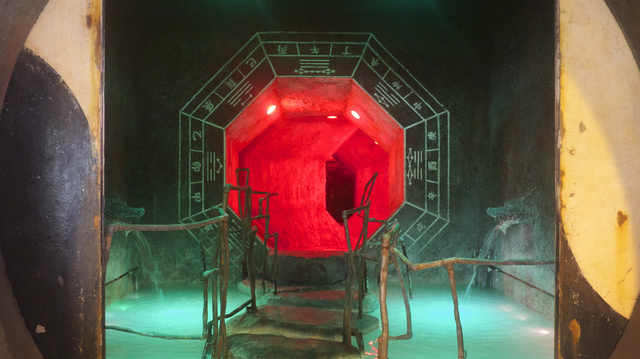
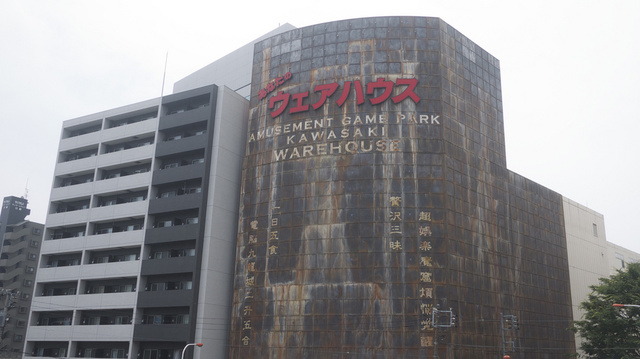
The Walled City is gone, but it has been reconstructed in Japan as an arcade.
Also located in the district of Kowloon is the City University of Hong Kong, and in it the Run Run Shaw Media Center, built by Daniel Libeskind. I walked past it. Interesting school, run by Jeffrey Shaw, once founding director of the ZKM in Karlsruhe. I think maybe I could work there.
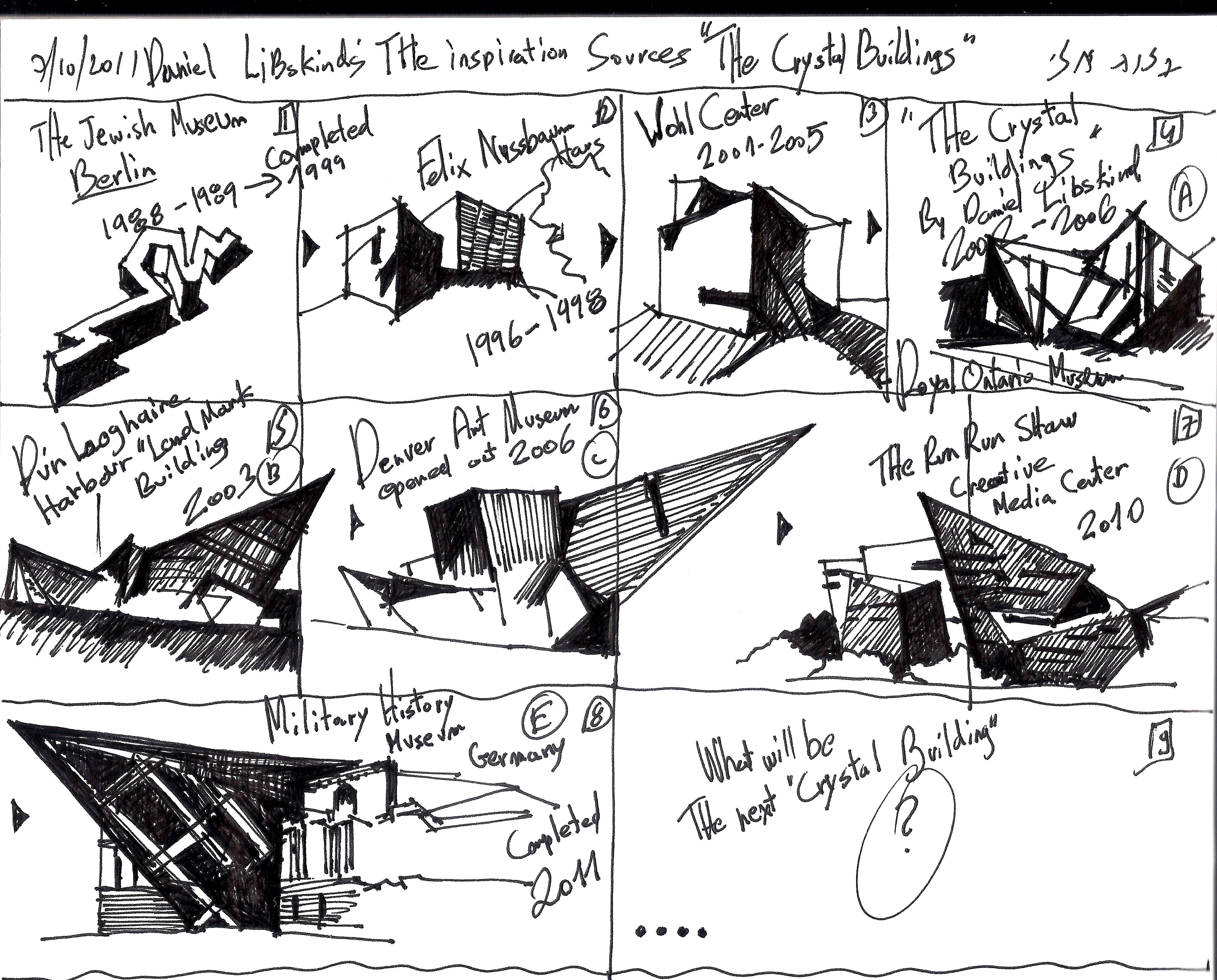
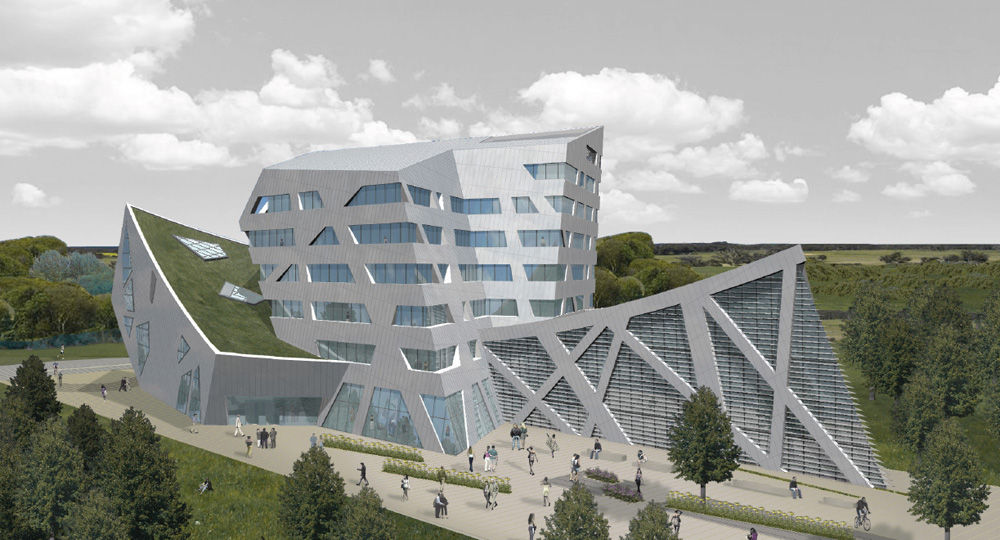
Months pass, all changes. Today I am starting a new job at Leuphana University Lüneburg, or Loonieburg, as some people here say, at the Digital Cultures Research Lab. Daniel Libeskind, it turns out, built the new audimax of the university. The small 70,000 people town of Lüneburg, nested peacefully in the middle of the heath and concentrated around its medieval city center, where people eat seasonal fish and go to Karstadt in the pedestrian zone, is directly connected to Kowloon. There is a program for students to study half of their time here and the other half in Hong Kong. Let this be the foundation of the Kowloonieburg Community.