Lichtenberg figures
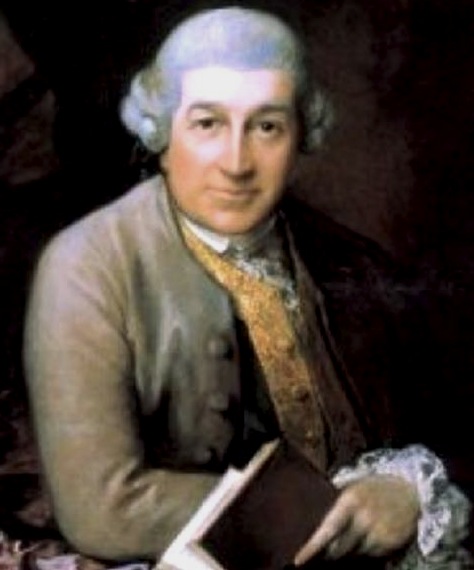
Georg Christoph Lichtenberg was the first professor for experimental physics in Germany. He is remembered for his notebooks, which he called Sudelbücher, (scrapbooks) and for his discovery of the strange treelike patterns now called “Lichtenberg figures.” They are branching electric discharges that from time to time appear on the surface or inside insulating materials. Lichtenberg figures are often associated with the progressive deterioration of high voltage components and equipment on or within solids, liquids, and gases during electrical breakdown.
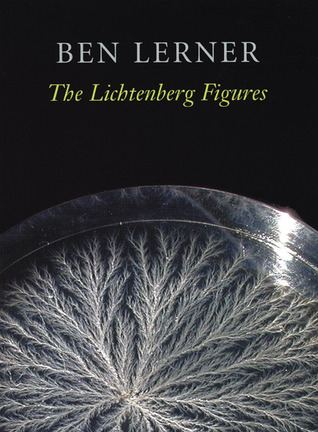
The Lichtenberg Figures, by Ben Lerner, winner of the Hayden Carruth Award, is an unconventional sonnet sequence that interrogates the relationship between language and memory, violence and form.
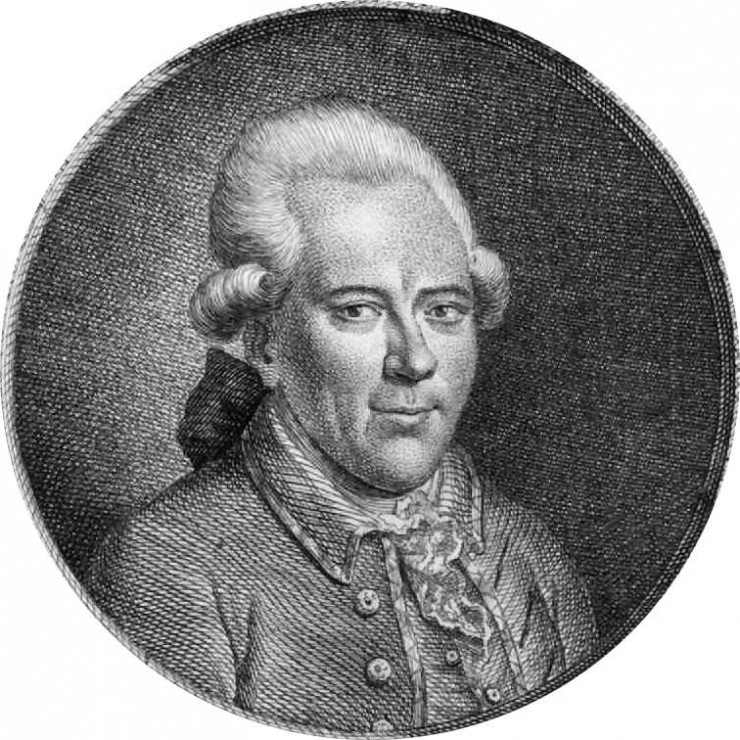
Today, three quotes from Hans Christoph Lichtenberg:
1.) “One of the greatest creations of the human mind is the art of reviewing books without having read them.”
2.) “When a book and a head collide and there is a hollow sound, is it always from the book?”
3.) “The more experience and experiments are accumulated during the exploration of nature, the more faltering its theories become. It is always good though not to abandon them instantly. For every hypothesis which used to be good at least serves the purpose of duly summarizing and keeping all phenomena until its own time. One should lay down the conflicting experience separately, until it has accumulated sufficiently to justify the efforts necessary to edifice a new theory.” (Scrapbook JII/1602)
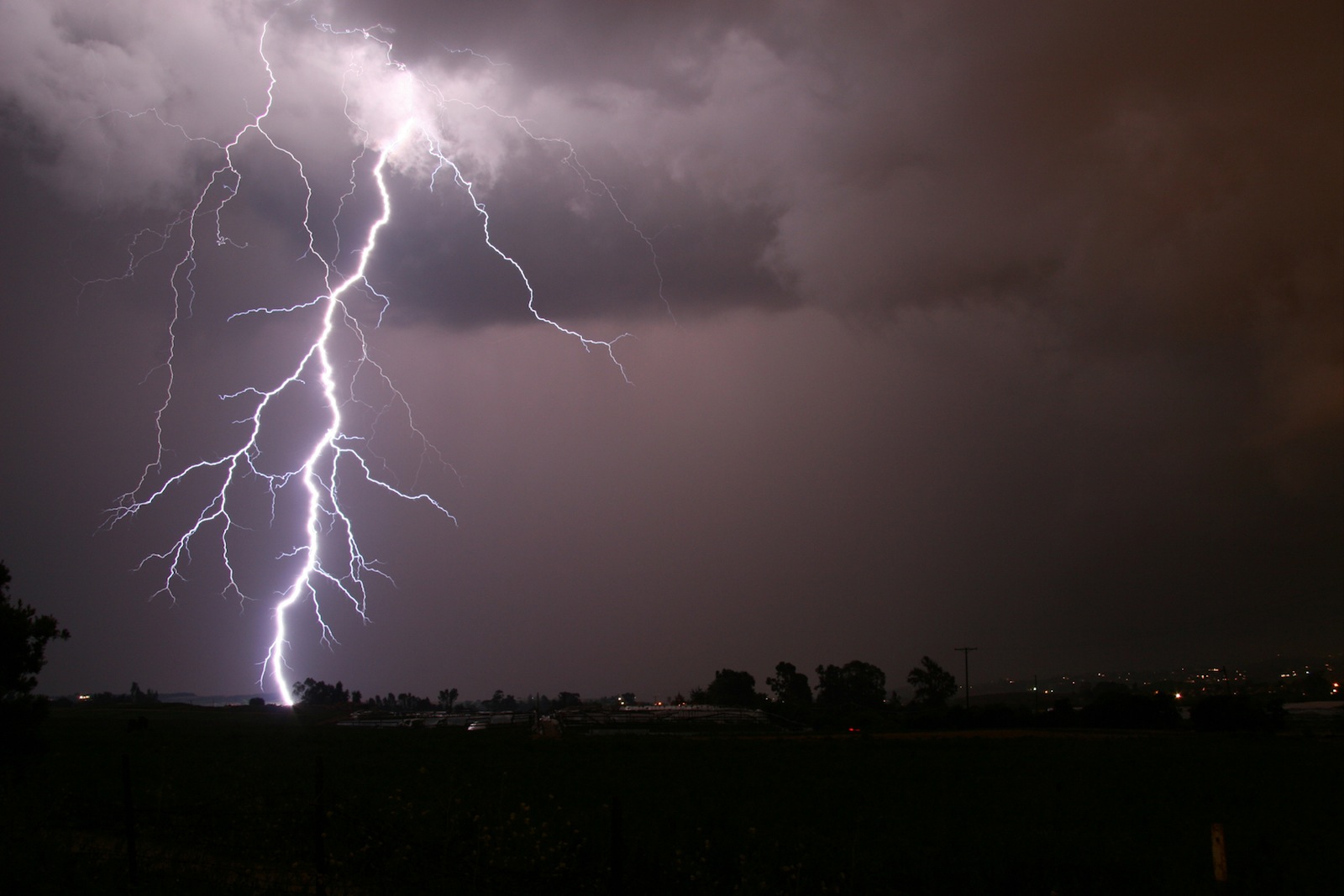
A lightning is a naturally-occurring 3-dimensional Lichtenberg figure.